

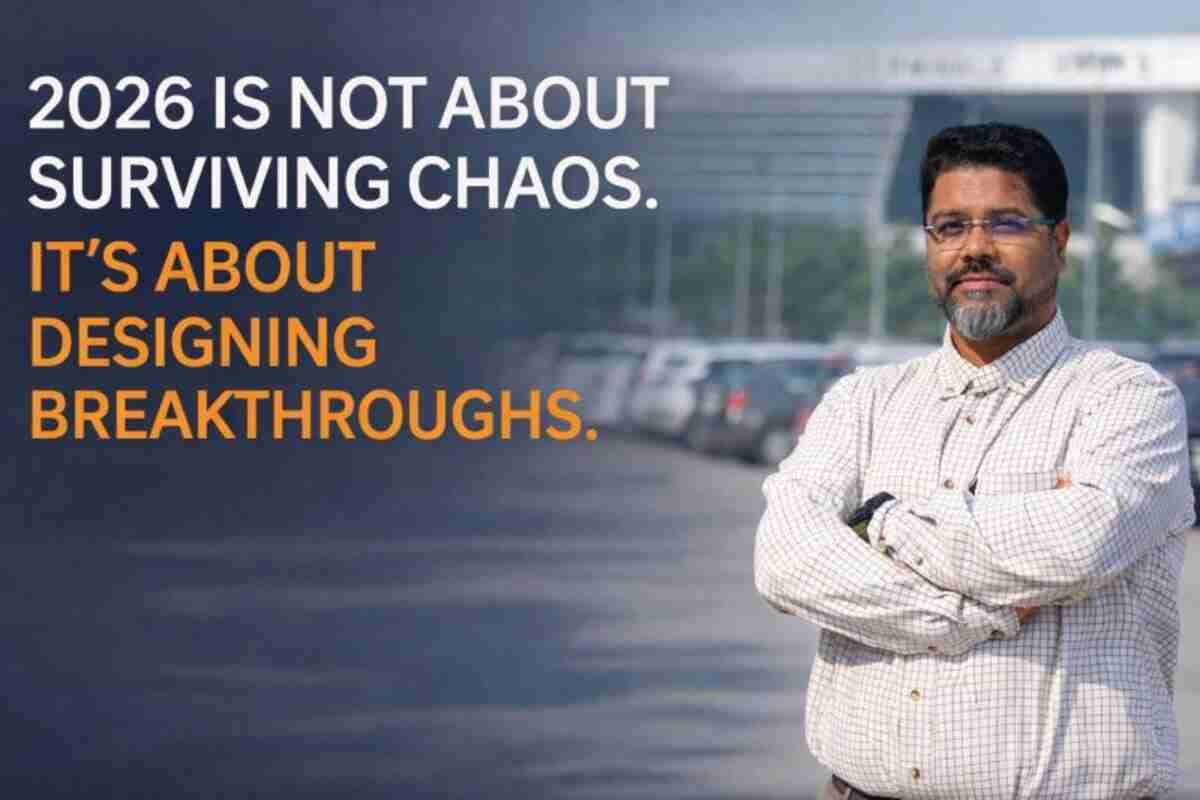
The golden age of the spreadsheet-driven media buyer is officially over.
For more than a decade, performance marketing was a game of precision tweaks. Marketers adjusted bids daily, stacked interests, optimized placements, and lived inside attribution dashboards. Success meant mastering the platform better than your competitors. If you understood ROAS, conversion windows, and audience segmentation, you could scale aggressively and profitably.
But 2026 looks very different.
Privacy regulations have tightened globally. Third-party cookies have disappeared. Platforms now rely heavily on AI-driven automation. Customer acquisition costs (CAC) continue to rise. The manual levers that once gave marketers control have been replaced by machine learning systems that optimize faster and more efficiently than any human ever could.
Performance marketing didn’t slowly fade.
The old model collapsed.
Yet marketing itself hasn’t died — it has evolved.
The Death of Manual Optimization
In the past, performance marketing rewarded technical operators. Media buyers built careers on knowing which campaign structure worked best, how to manipulate attribution windows, and how to scale budgets without breaking efficiency.
Today, algorithms handle most of that automatically.
When every advertiser has access to the same AI bidding systems and automated targeting, manual optimization stops being a competitive advantage. Broad targeting often outperforms layered interests. Smart bidding outperforms manual cost caps. Campaign structures matter less than the signals you feed into the system.
This shift changes the role of the marketer.
Instead of asking, “How do I tweak this campaign?” the better question becomes, “How do I build a growth system that algorithms can amplify?”
The advantage has moved from execution to architecture.
Here are the four pillars replacing traditional performance marketing.
- Media Buying Has Become Revenue Engineering
Clicks are no longer the goal. Revenue quality is.
The brands winning in 2026 don’t just launch ads. They design data ecosystems. Instead of optimizing for cheap conversions, they optimize for long-term profitability.
They feed platforms deeper signals, such as:
- CRM-based conversions
- Lifetime value (LTV) cohorts
- Repeat purchase behavior
- Subscription retention data
- High-margin customer segments
When AI receives profitability data instead of just conversion data, it shifts targeting toward higher-value buyers. The result is smarter scaling, not just bigger scaling.
This evolution turns media buying into revenue engineering — aligning marketing with real business outcomes.
Growth teams are no longer focused on lowering cost per click. They are focused on maximizing customer lifetime value.
- Creative Is the New Targeting
With limited third-party data and reduced tracking, targeting settings alone no longer define success.
Creative does.
Algorithms now distribute ads based on engagement signals. Your hook, thumbnail, script, and emotional angle determine who engages — and therefore who the algorithm shows it to next.
In this new system, creative becomes the targeting filter.
Winning brands:
- Launch creative at high velocity
- Test multiple hooks weekly
- Use modular video frameworks for rapid iteration
- Focus on psychology and storytelling
A slow creative pipeline is now the biggest performance bottleneck.
In 2026, attention is more valuable than precision targeting. And attention is earned through compelling creative.
- Performance Branding Is the Growth Multiplier
The divide between brand marketing and performance marketing is disappearing.
For years, businesses treated brand awareness and performance as separate departments with separate goals. That structure no longer works.
Brand strength directly impacts performance metrics.
When customers recognize your brand:
- Click-through rates improve
- Conversion rates increase
- Acquisition costs decrease
- Search demand rises
Performance Branding combines measurable tactics with emotional storytelling. It uses paid channels not only to generate immediate sales but also to build familiarity, trust, and authority.
Strong brands scale more efficiently because they don’t rely entirely on cold acquisition. They generate demand before the ad is even seen.
In 2026, brand is not optional. It is a performance strategy.
- Zero-Party Data Is the New Competitive Edge
If you don’t own your audience, you rent it.
And rental costs are rising.
Modern brands are investing in:
- Email marketing ecosystems
- SMS lists
- Community platforms
- Value-driven lead magnets
- Interactive quizzes and tools
Zero-party data — information customers willingly share — has become more powerful than third-party tracking ever was.
It improves personalization. It strengthens retention. And it protects businesses from platform volatility.
In a world of algorithm dependence, owned data creates stability.
The New Marketing Leader
Performance marketing isn’t dead.
But the silo is.
The future belongs to the Full-Stack Growth Leader — someone who understands creative psychology, data infrastructure, revenue modeling, and brand strategy as one unified system.
Campaign management alone is no longer enough.
The winning marketers of 2026 design growth engines. They connect data to profitability. They blend storytelling with measurable outcomes. They build owned audiences while leveraging automation.
The real question now is simple:
Are you optimizing campaigns — or architecting growth?
For deeper insights and strategic discussions, visit:
https://www.linkedin.com/in/sarbajitdigitalbranding?utm_source=share_via&utm_content=profile&utm_medium=member_android
#MarketingStrategy #DigitalMarketing2026 #GrowthLeadership #PerformanceBranding #RevenueEngineering


